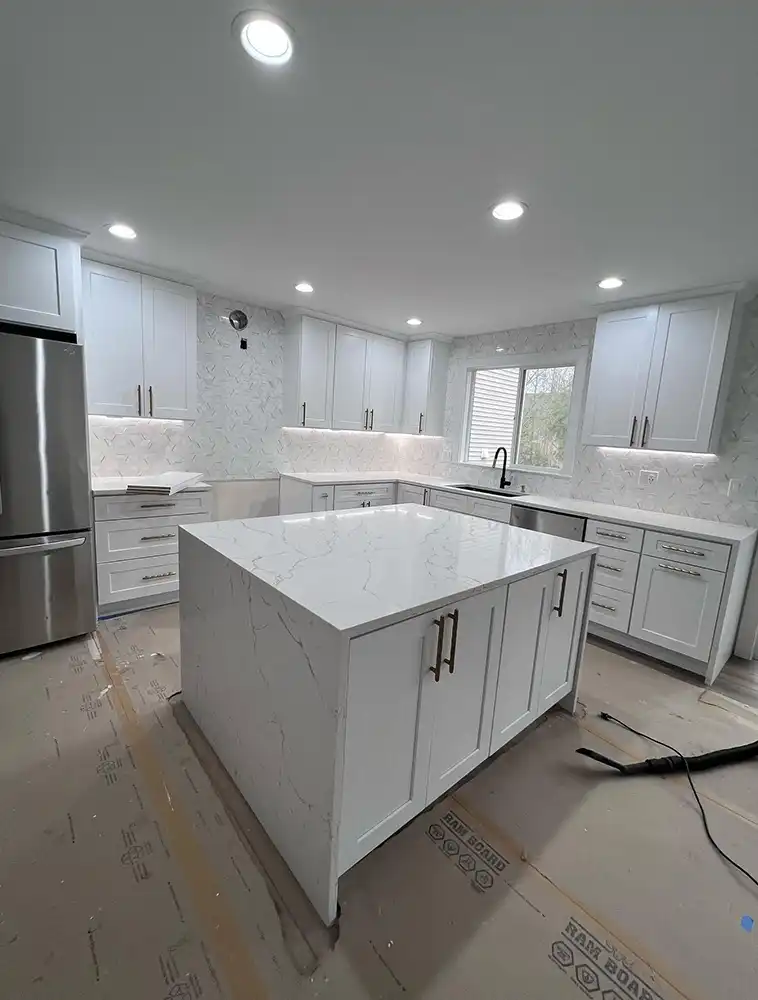
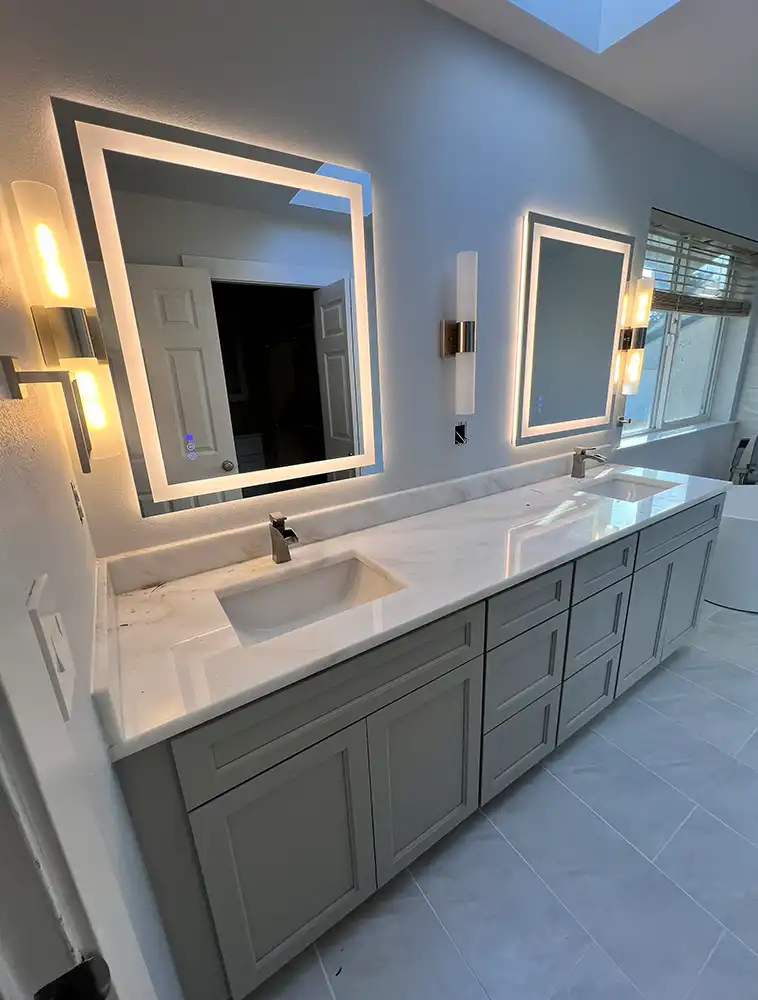
Many Redmond neighborhoods are filled with homes built decades ago: solid houses with dated layouts, dark interiors and original systems. Updating one is rewarding, but the order you do things in makes a big difference to cost and results.
1. Safety and the building envelope
Start with the things that protect everything else: the roof, gutters, drainage, windows and any signs of water intrusion. In our wet climate, fixing moisture problems first prevents damage to the new finishes you’ll add later.
2. Systems behind the walls
Older electrical panels and wiring may not support today’s appliances, chargers and lighting. Plumbing, ventilation and insulation are easiest and least expensive to upgrade when walls and floors are already open, so plan them together with your remodel, not after.
3. Layout and light
Many older homes have closed-off kitchens and small rooms. Opening a wall between the kitchen and living area, or enlarging a window, can transform how a house feels. Structural changes need engineering and permits; see our Redmond permit guide.
4. Finishes that tie the house together
- Continuous flooring throughout the main level makes spaces feel larger.
- Updated trim, doors and hardware give the whole house a consistent, finished look.
- Layered lighting, with recessed, accent and dimmable fixtures, brightens gray winter days.
Do the invisible work first. It’s what lets the beautiful work last.
ELV Renovations
Plan it once, even if you build in phases
Even if you renovate over several years, a single plan for the whole house prevents tearing out new work later. Learn more about our interior remodeling services, see examples in our portfolio, or contact us to start planning.